
Just Because Your Child Doesn't 'Have Focus' Doesn't Mean They Have ADD/ADHD!
Sorry that it's been a while since I last sent out an email newsletter. As some of you know, there have been some recent changes in office staffing, and that stress has taken a toll on my motivation to write these things. I'm sure that many of you have had the same experience, where upheaval in one aspect of your life drains your energy to tackle anything but the bare necessities of your other responsibilities. This feeling, as well as several recent situations with patients, actually is what finally inspired me to generate another newsletter again.
I've had several appointments lately where teachers have recommended to parents to have their children evaluated by their pediatrician for ADD/ADHD because their child is "not focusing in class." This really upsets me because it implies that the diagnosis of ADD/ADHD is a simple straightforward process like a strep or flu test. Thankfully, a lot of parents don't want to immediately just put their child on medications, but the truth is that "not focusing" doesn't automatically point to ADD/ADHD.
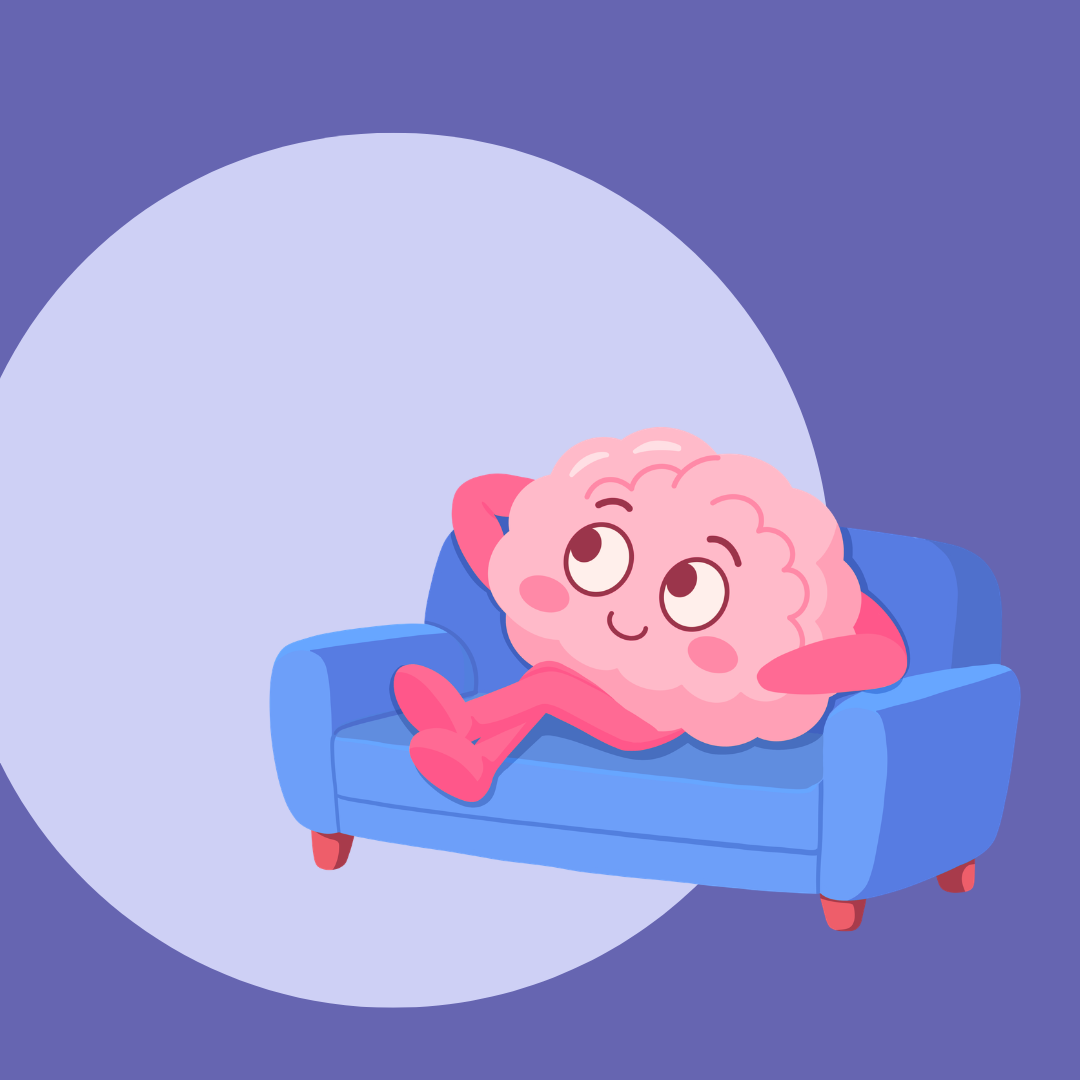
Points parents need to understand:
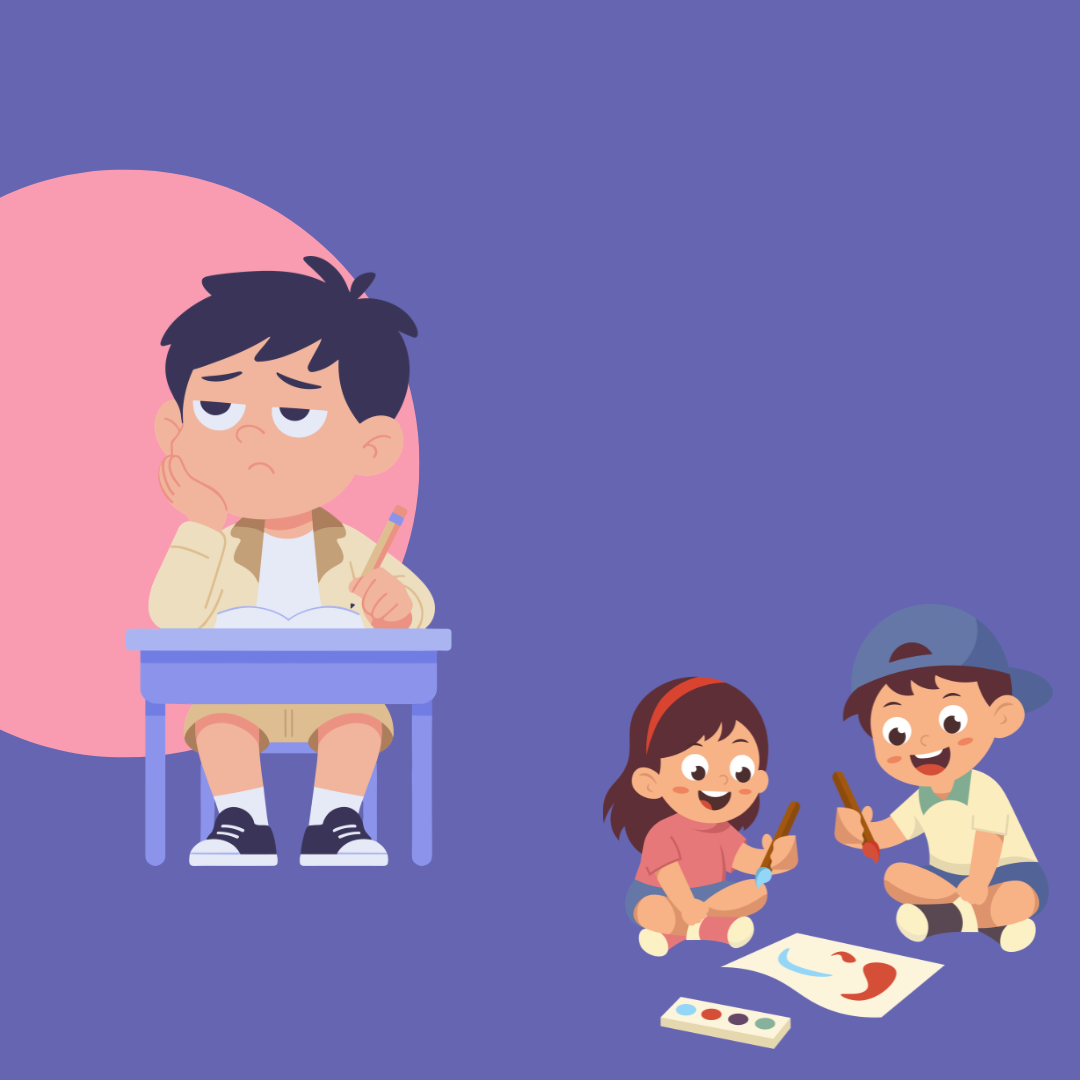
(1) The main issue with focus in ADD/ADHD is NOT that a child can't INITIATE focus, it's that they can't MAINTAIN attention and that they therefore easily get distracted. To put it more directly, a child who doesn't WANT to pay attention or who can't get seem to get interested in what's going on in class/elsewhere is not actually presenting a picture clinically consistent with ADD/ADHD. He/she may just be being oppositional/defiant or just doesn't care about the expectations parents/teachers have of him/her.
(2) ADD/ADHD symptoms aren't isolated to the setting of school/academics. If a child can't maintain attention in class or on school assignments they're working on at home but CAN EASILY follow through with responsibilities and chores unrelated to learning/school at home, especially if they involve a series of instructions, (for example, go upstairs to clean your room and then bring down your dirty laundry), they don't have ADD/ADHD. They could have some kind of learning disability, or possibly could be facing issues at school related to bullying/etc.
(3) A child is born with ADD/ADHD; the condition doesn't just develop one day when they're in high school. Even if grades aren't affected until high school, looking back as a parent, you should be identify that even at younger ages there were issues with distractibility out of proportion to what you observed in their peers. If symptoms of ADD/ADHD become evident at some point but weren't present earlier in your child's life, the concern would be that something else has developed, like another medical condition, a mood disorder, substance use/abuse, or social issues.
a. Medical conditions like issues with vision/hearing can make it difficult for your child to optimally take in information being presented which obviously would affect their ability to pay attention in class or when trying to finish assignments.
b. Anything that disrupts sleep like allergies or obstructive sleep apnea, or anything that causes disruptions in blood sugar like skipping meals or a protein-poor diet decreases the brain's ability to maintain concentration. Just think about when you've had a poor night's sleep or when you're hungry how hard it is to concentrate on important tasks that require focus!
c. Anxiety or depression may consume so much of a child's energy that they can't concentrate on school or assignments. Remember when I said earlier that being stressed about the situation at work was sapping my motivation to get started on writing material for this newsletter? And keep in mind, anxiety/depression doesn't necessarily present as worrying or sadness; it could manifest as anger or acting out.
d. New onset substance use/abuse obviously affects brain processing, and new onset social issues can limit the opportunity to be able to concentrate on academics or trigger mood disruptions that also affect the ability to pay attention.
Because there could be so many possible conditions that could all cause the same symptoms of difficulty with paying attention, it's not fair to diagnose your child with something chronic other than in the most straightforward of situations using questionnaires based on observed behaviors (what teachers tend to imply is all that has to be done), because what's important is what's CAUSING these behaviors, which may not be able to be determined just by seeing the behaviors themselves. Treating inability to concentrate with medication when the underlying cause is not ADD/ADHD not only won't help, it could actually worsen symptoms in conditions like anxiety or problems with sleep. It's analogous to treating fever in pneumonia with just fever medicine but not actually treating the underlying infection with antibiotics - I wouldn't be doing your child justice.
So when your child's teacher or school tells you he/she needs to be evaluated for ADHD, please understand that the multiple steps that my office might ask for, possibly including referrals to a neuropsychologist or educational psychologist for more formal testing or for a sleep study to evaluate for sleep apnea, are not meant to be inconvenient hurdles, they are steps I'm taking for the purpose trying to look out for your child's best interests and actually treat him/her with appropriate management.
Feb-March Practice Topics with Cevey Pediatrics
(click on each topic to learn more)


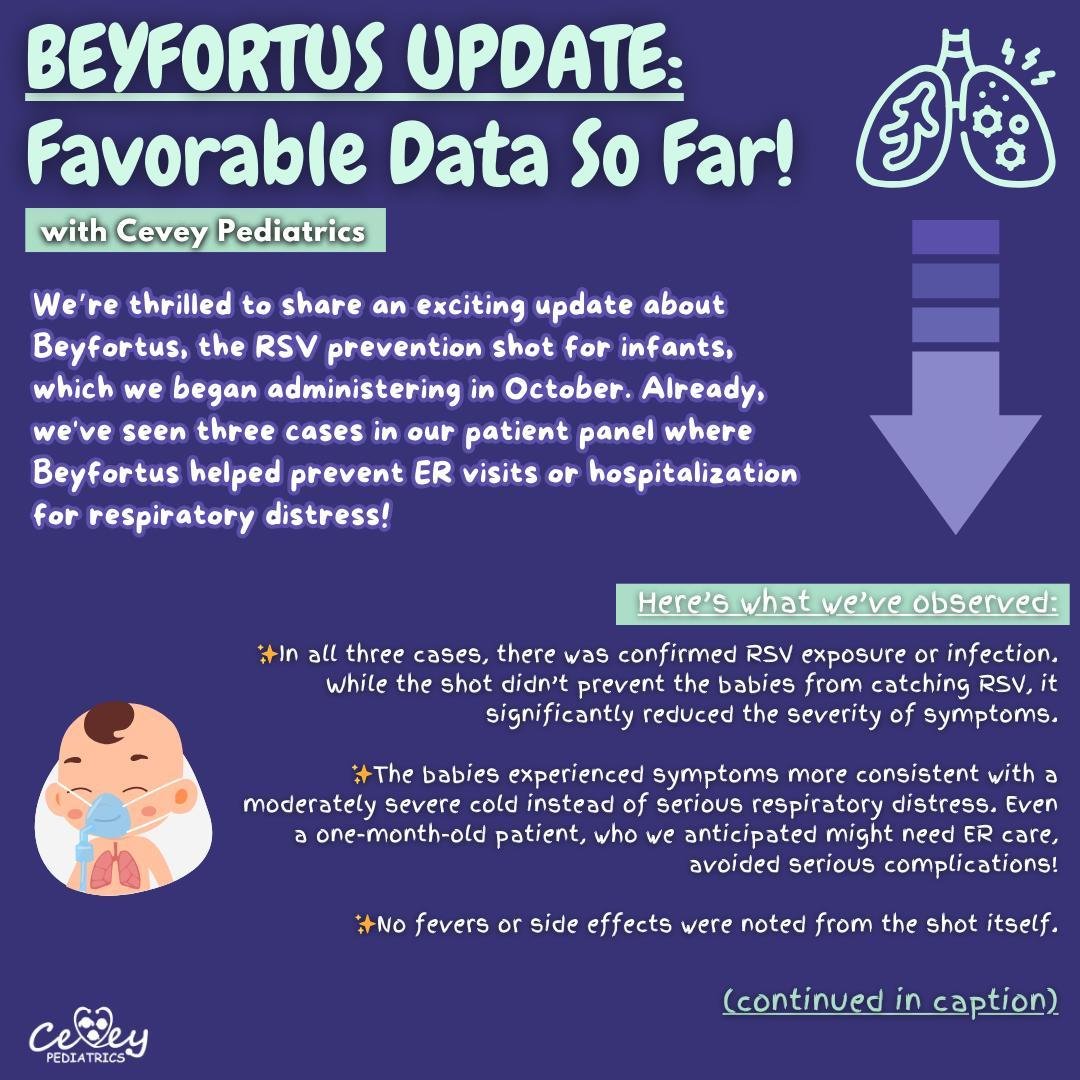



We've updated our appointments policy at Cevey Pediatrics. It is our intention to provide your children the best care possible at all times and to accommodate as many requests as is realistic and feasible. It is within this context that we ask you to take a few moments to review our new policy below:
Cevey Pediatrics Appointments Policy